| Video | Title/Summary | Crops | Institution |
|---|---|---|---|
 |
Unlimited Flour What if the most productive flour plant on Earth has been growing for free in marshes this whole time? In this episode from Curious Cultivars, we trace the astonishing history of cattail flour—from Paleolithic grinding stones and Indigenous food traditions to WWII research that found cattails could outproduce potatoes, rice, and grain crops in edible starch per acre. Then the story takes an even stranger turn: the same plant can also clean polluted water, provide industrial fiber, and even help produce bio-fuel. Why did a plant this useful vanish from the modern food system? Watch to explore the forgotten science,... |
||
 |
Connecting Two Metals REPELS ALL Insects — The “Earth Battery” Secret Two metals buried in the ground create a natural insect shield that costs less than five dollars and runs on the earth itself. This is the science of the earth battery — a 270 year old technique that the $5.5 billion repellent industry made sure you never learned. In this video, we trace its history from Abbe Nollet's 1749 experiments to modern peer-reviewed research proving copper's devastating effect on mosquito larvae. SOURCES: Becker, N. et al. (2015) — Metallic copper spray: a new control technique to combat invasive container-inhabiting mosquitoes — Parasitology Vectors Reza, M. and Ilmiawati, C.... |
||
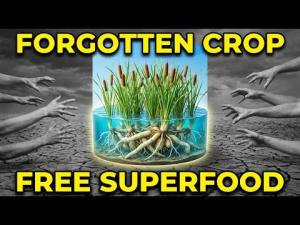 |
15,000 Calories Per Acre. Edible In 30 Minutes. Why Isn't This Plant Sold Anywhere? Cattails (Typha latifolia) produce more calories per acre than most cultivated crops, yet you'll never find them in grocery stores. This documentary reveals why a 10,000-year-old Native American staple crop was erased from modern food systems, and how wetland drainage, perishability issues, and regulatory contradictions kept the "supermarket of the swamp" out of commercial agriculture. |
||
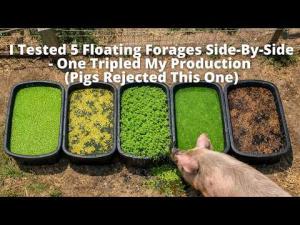 |
Stop Growing Azolla - This Floating Forage Produces 50% More Protein Per Square Foot Floating forages are one of the most misunderstood feed tools on small farms. I spent four months testing five different floating and aquatic forages side-by-side using the same animals, same water, and same containers to find out what actually works — and what’s overhyped. In this video, I break down the real production numbers, protein content, animal acceptance, and container requirements for azolla, duckweed, spirodela, water spinach, and watercress. One forage tripled my production per square foot, one replaced $340 per month in feed costs, and one my pigs refused to eat entirely. This is not theory or extension recommendations... |
||
 |
Grows in Total Darkness. One Acre Fed Whole Families All Winter. Why Did We Abandon It? Homestead Homage explores a forgotten winter crop thriving in complete darkness. This surprisingly nutritious root vegetable once fed families through harsh winters, using a simple, low-energy method. Discover the intriguing history and science behind this remarkable, "white gold" food source. |

Feeding People and Livestock with Minimal Water